 Radiators for Vehicles and Trucks
A vehicle's engine generates a large amount of heat during operation. If this heat isn't dissipated effectively, it can cause serious engine damage, ranging from overheating to catastrophic failure. This is where the radiator comes in.
How does a radiator work?
A radiator is a heat exchanger that transfers heat from the engine's hot coolant to the cooler outside air. This process is accomplished as follows:
Coolant Circulation: The hot coolant circulates through a series of thin tubes within the radiator.
Heat Transfer: The heat from the coolant is transferred to the metal walls of these tubes.
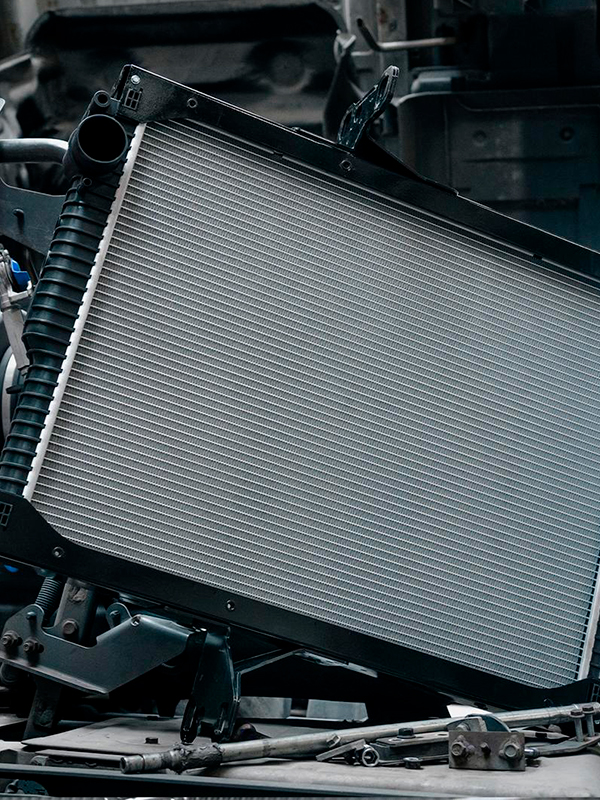
Heat Dissipation: The radiator's fins, which increase the surface area of contact with the air, allow heat to dissipate quickly to the outside air.
Coolant Return: The now cooler coolant returns to the engine to repeat the cycle.
What services are offered for radiators?
 Cleaning: Dirt and sediment buildup can clog the radiator and reduce its efficiency.
- Leak Repair: Radiator leaks can cause coolant loss and overheating.
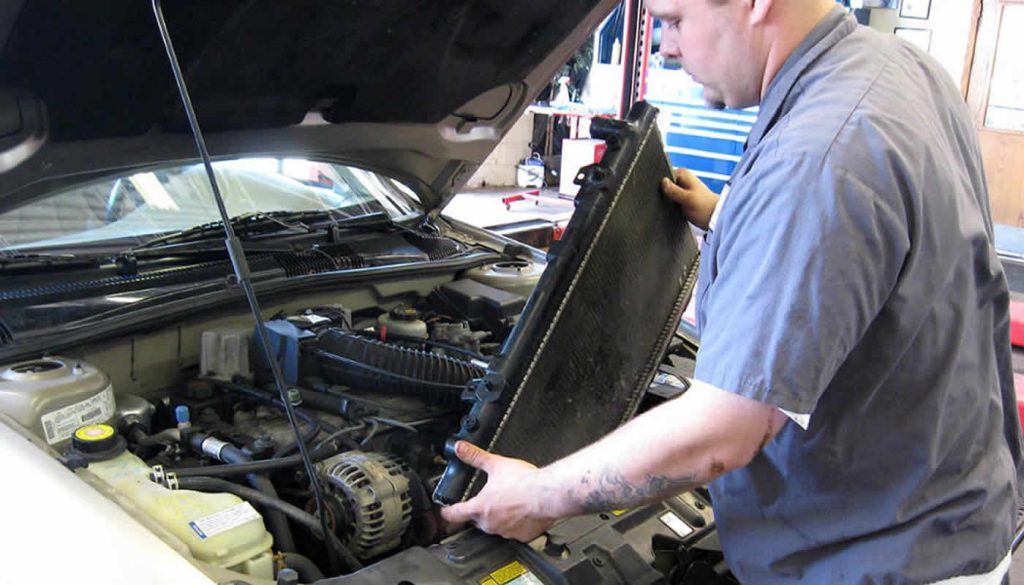
- Replacement: If the radiator is too damaged, it needs to be replaced with a new one.
- Preventive maintenance: It is recommended to periodically check the coolant level and the general condition of the radiator.