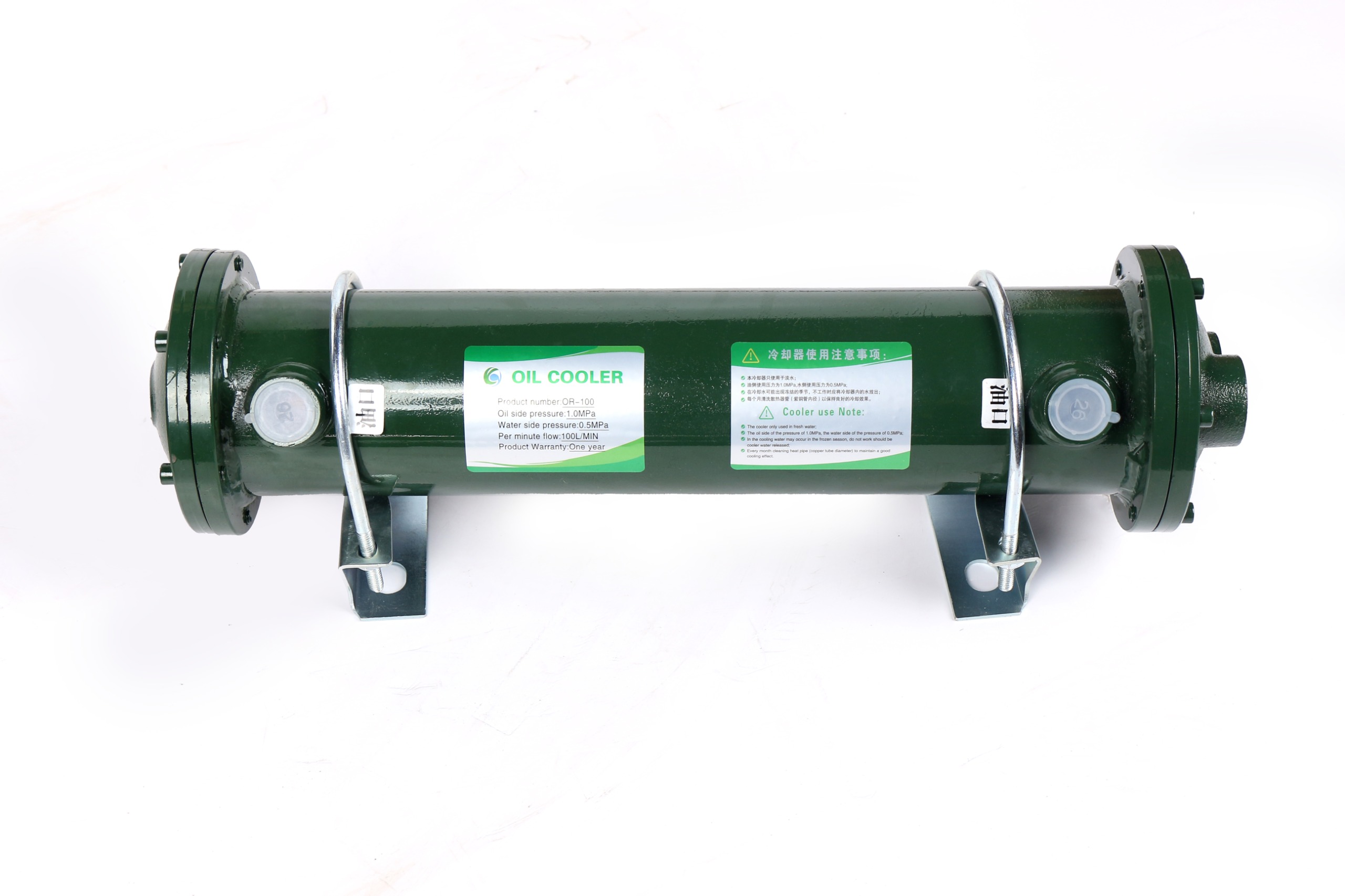
Description
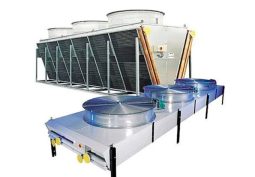
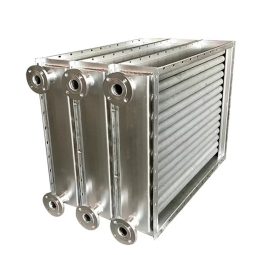
The operating principle is simple: hot oil circulates through a heat exchanger inside the cooler. This exchanger can be plate, tube, or other, and is designed to transfer heat from the oil to a cooling medium, such as air or water. The cooling medium absorbs the heat and dissipates it to the environment, thus keeping the oil at a suitable temperature.
Hydraulic oil coolers are typically made of:
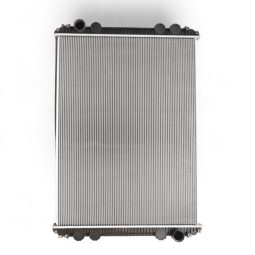
Aluminum: Lightweight and with good thermal conductivity, aluminum is a common material for oil coolers. Aluminum fins increase the heat exchange surface area, improving cooling efficiency.
Copper: Copper offers even greater thermal conductivity than aluminum, making it ideal for applications where high heat transfer rates are required.