Description
A vehicle’s engine generates a large amount of heat during operation. If this heat isn’t dissipated efficiently, it can seriously damage the engine. This is where the radiator, a fundamental part of the cooling system, comes into play.
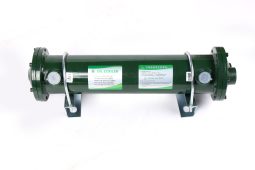
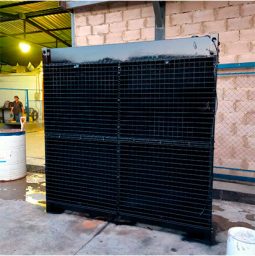
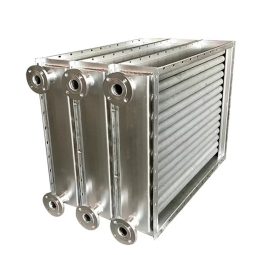
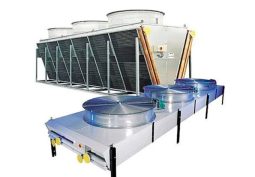
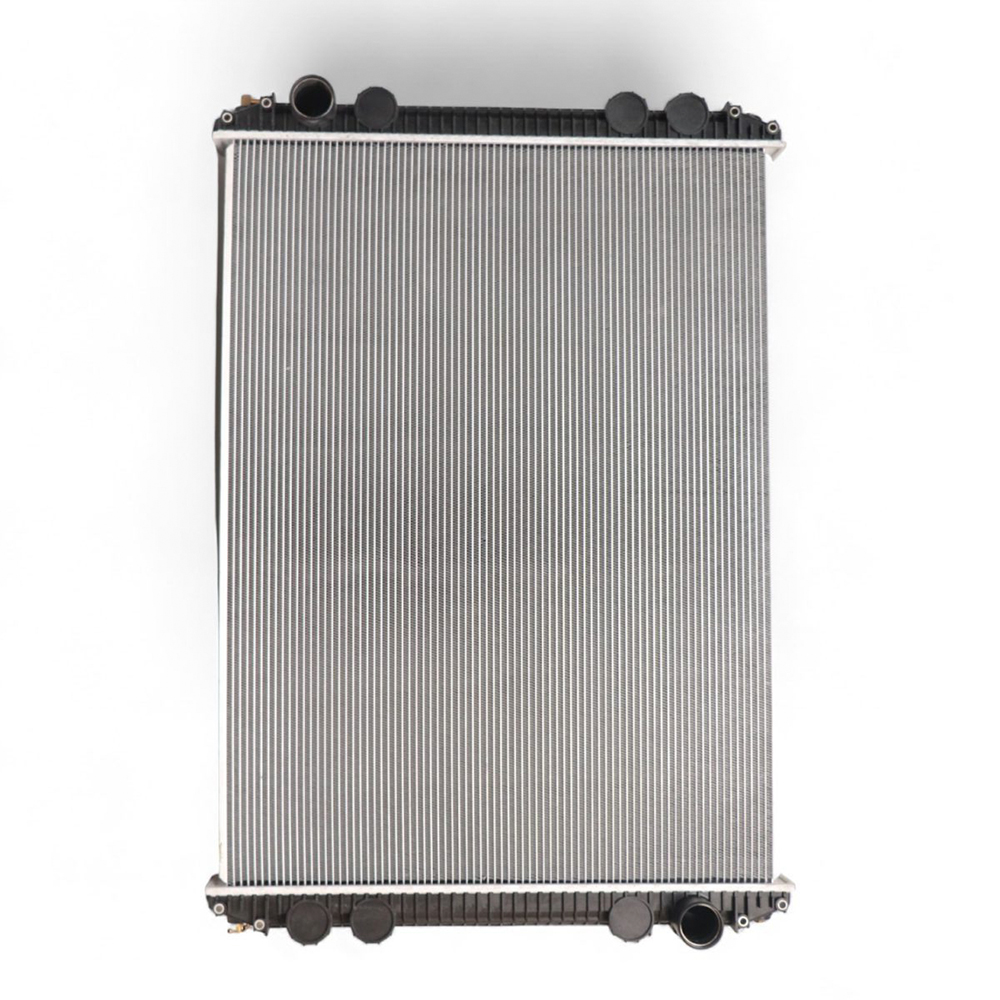
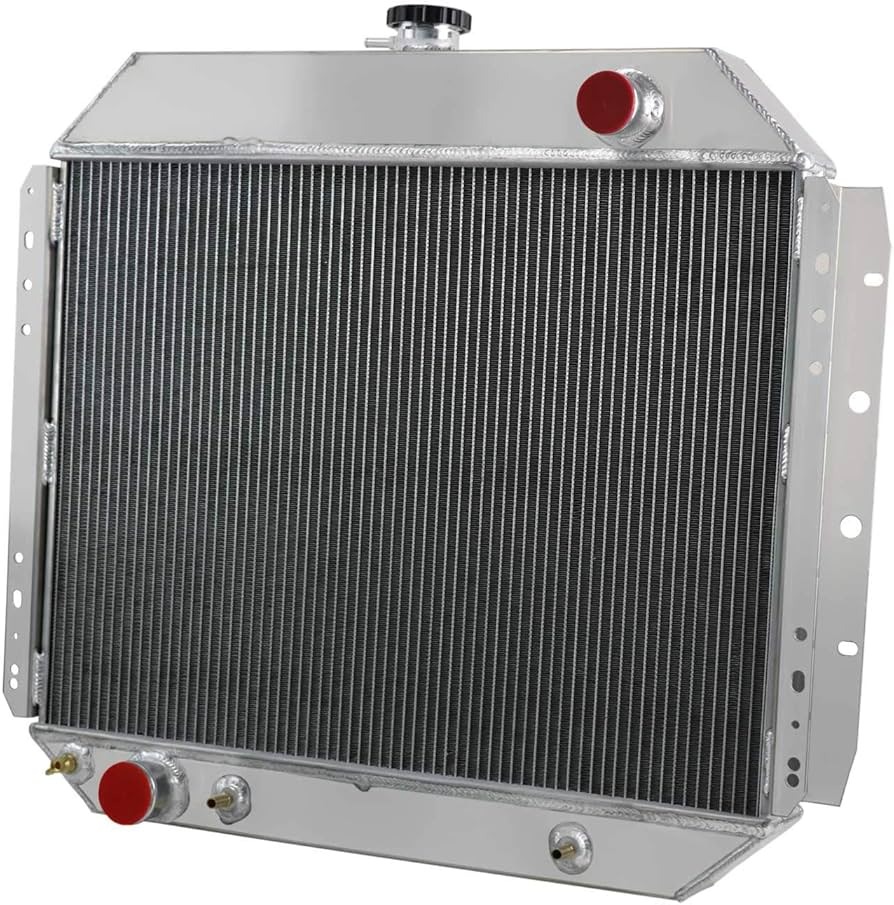
A radiator is a heat exchanger, usually located at the front of the vehicle. It is made up of a series of thin tubes through which the engine coolant circulates, and fins that increase the surface area of contact with the air.
Engine Protection: By keeping the engine at an optimal temperature, the radiator prevents overheating that could cause serious damage, such as cracks in the engine block or cylinder head.
Increased Efficiency: An engine that runs at the right temperature is more fuel-efficient and generates fewer polluting emissions.
Increased Durability: A properly maintained cooling system extends the life of the engine and other vehicle components.