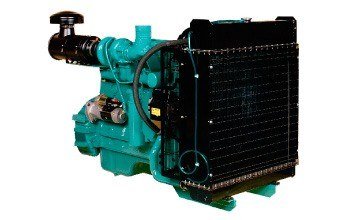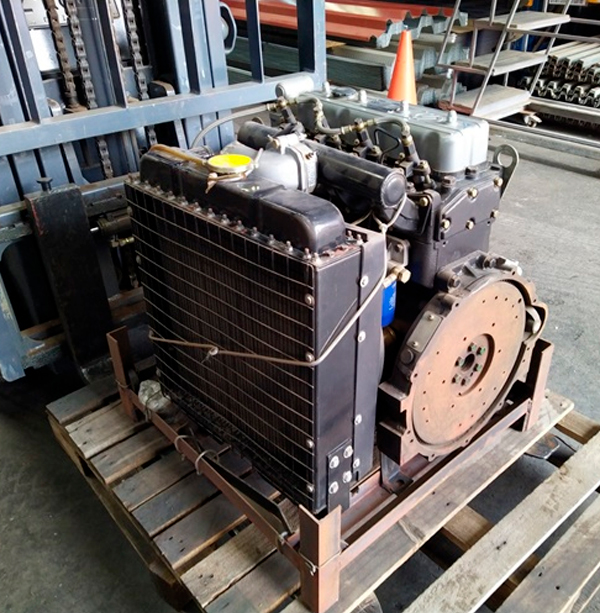
 Radiators for Stationary Engines
A radiator is an essential component in any engine, whether it's a vehicle or a stationary piece of equipment. Its main function is to dissipate the heat generated during combustion, thus preventing engine overheating and potential damage. In stationary engines, used in generators, water pumps, compressors, and other industrial equipment, the radiator plays a crucial role in ensuring optimal operation and prolonging their lifespan.
What does the service include?
 Visual Inspection: The radiator is checked for leaks, corrosion, obstructions, or damage to the fins.
- Cleaning: Dust, dirt, and other debris that could obstruct the flow of coolant is removed.
- Pressure test: The tightness of the system is checked to detect internal or external leaks.
- Replacing damaged components: If leaks or damage are found, hoses, clamps, caps, or the entire radiator are replaced as needed.
- Bleeding the system: Air is removed from the cooling system to ensure proper circulation of the coolant.
- Checking the coolant level and quality: The coolant level is checked and replaced if it is contaminated or has lost its properties.